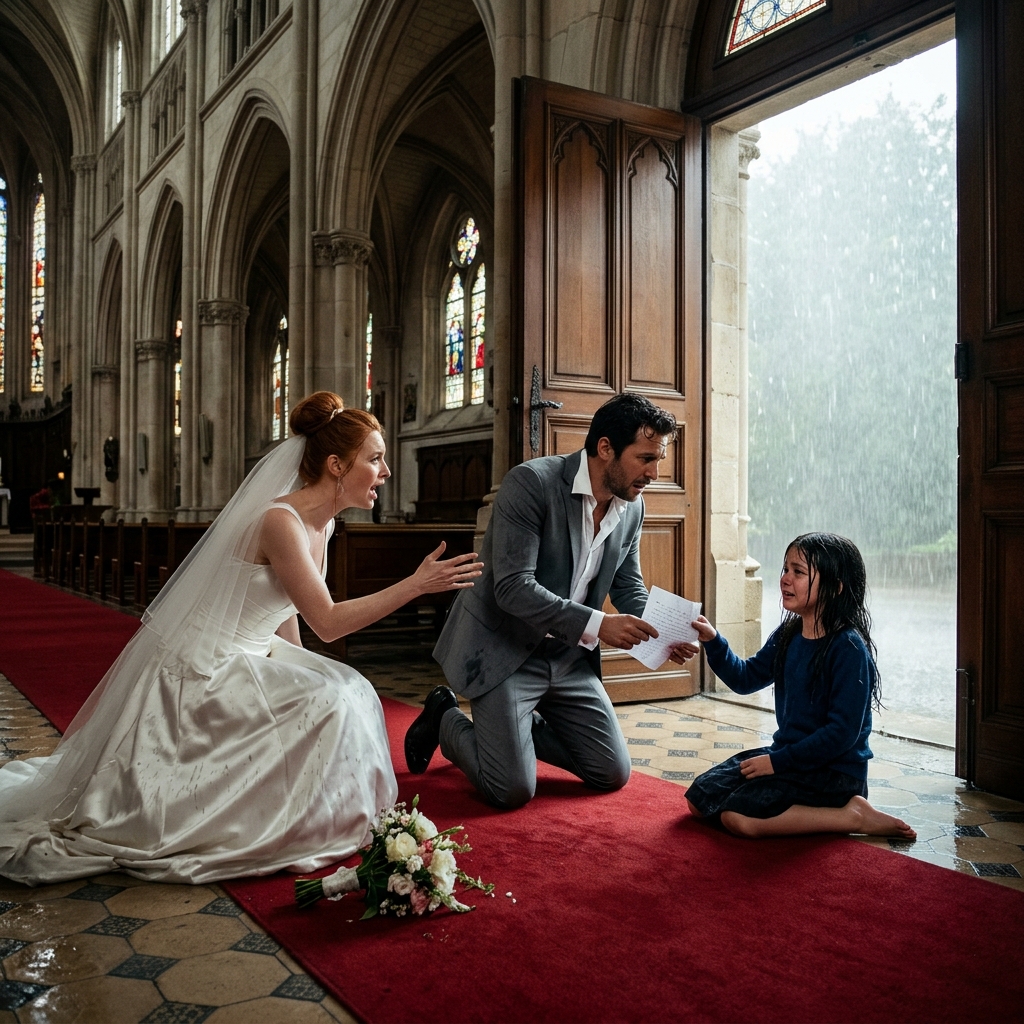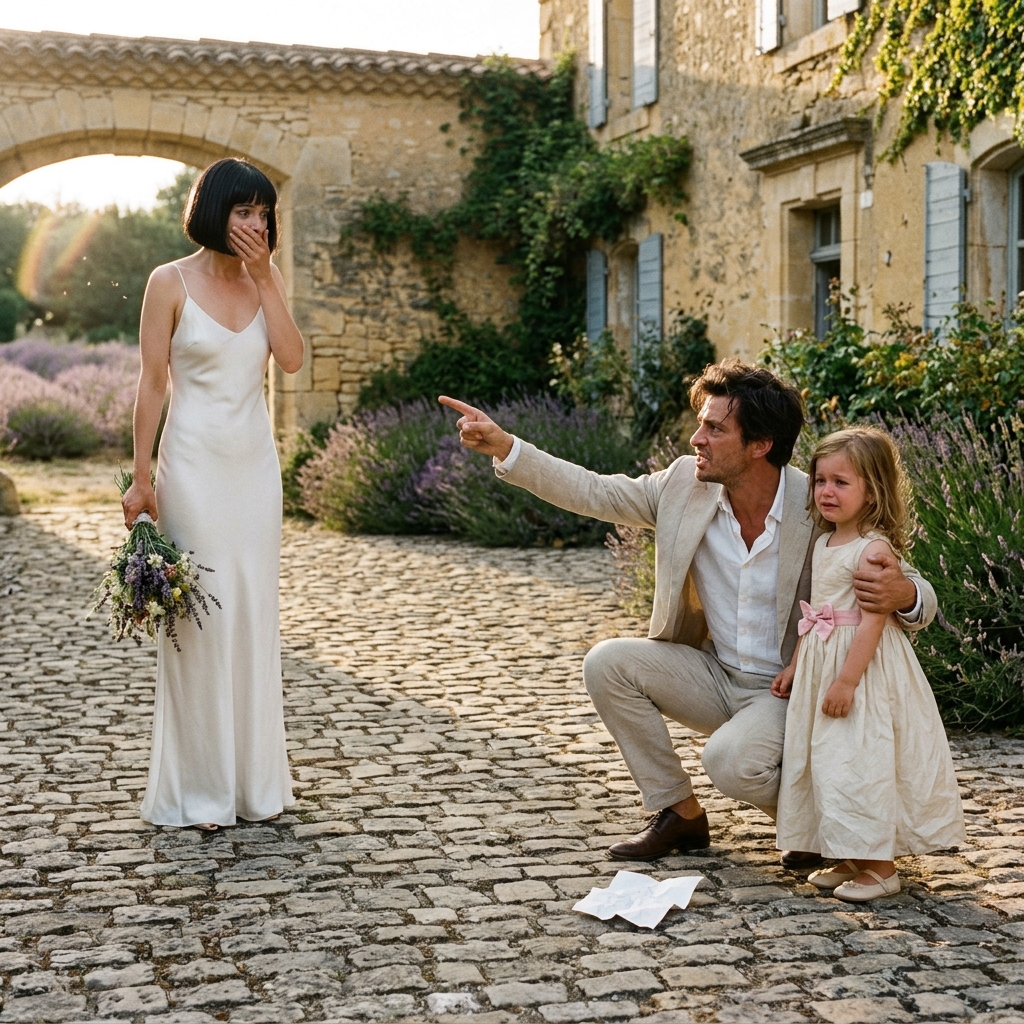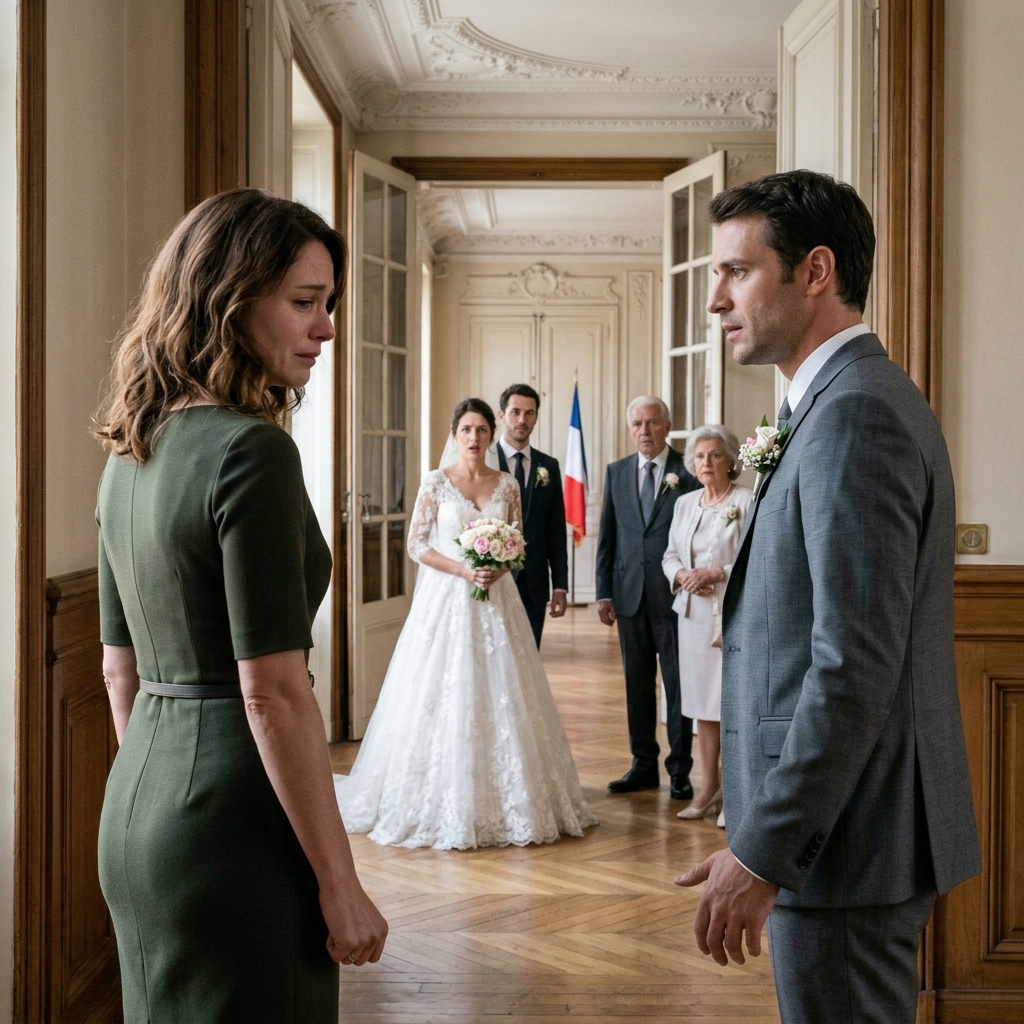
Au printemps, presque tout était prêt. La salle était réservée. J’avais choisi ma robe. Nous avions des listes scotchées sur le réfrigérateur et des notes éparpillées sur le plan de travail de la cuisine : des rappels concernant les acomptes, les fleurs, le plan de table et tous ces autres détails qui paraissaient énormes quand on pensait qu’un mariage était l’événement le plus important de sa vie.
Nous avons discuté des parfums de gâteaux.
Adrian voulait du chocolat.
Je voulais du citron.
Un soir, il était assis en face de moi à la table de la cuisine, une tasse de café entre les mains, tandis que j’essayais de lui expliquer, pour la troisième fois sans doute, que le citron était plus approprié pour un mariage d’été.
« On se dispute sérieusement pour un gâteau, maintenant ? » demanda-t-il.
« Nous ne nous disputons pas », lui ai-je dit. « J’essaie de t’expliquer pourquoi tu as tort. »
Il m’a dévisagé pendant une seconde, puis il a ri si fort qu’il a failli renverser son café.
C’est cet Adrian dont je me suis souvenu par la suite.
Pas la liste des invités.
Pas les dépôts.
Pas le plan de table que j’avais modifié trois fois parce que son oncle refusait de s’asseoir à côté d’un de ses cousins.
Je me souvenais de la façon dont Adrian s’appuyait contre le comptoir de la cuisine quand il était fatigué. Je me souvenais de lui me volant de la nourriture dans mon assiette et faisant semblant de ne pas savoir où elle était passée. Je me souvenais de son rire qui emplissait l’appartement et de la douce certitude que j’éprouvais alors.
Je pensais que nous avions des années devant nous.
Six semaines avant notre mariage, Adrian est décédé dans un accident de voiture.
Il n’y a eu aucun avertissement.
Aucune conversation finale qui ait semblé suffisamment importante pour devenir une conversation finale.
Un jour, je me demandais où placer son oncle difficile.
Ensuite, les gens me parlaient lentement et avec précaution, comme si un ton inapproprié pouvait me briser.
L’accident avait été terrible. On m’a dit que le cercueil resterait fermé.
Je me souviens avoir pensé que ce détail aurait dû rendre l’ensemble plus réel.
Au contraire, cela a rendu la chose totalement impossible.
Aux funérailles, je me tenais aux côtés de la mère d’Adrian, Colleen.
Elle a tendu la main vers la mienne au moment où le cercueil a été descendu.
Ses doigts se sont resserrés autour des miens si fort que ça m’a fait mal.
Je n’ai pas reculé.
Aucun de nous deux n’avait grand-chose à dire.
On imagine parfois le deuil comme un flot de conversations profondes, mais ce n’était pas le cas. La plupart des gens disaient la même chose, car il n’y avait qu’un nombre limité de choses qu’on pouvait dire.
« Je suis vraiment désolé. »
« Il t’aimait. »
«Vous étiez si heureux tous les deux.»
« Donnez-vous du temps. »
« Tu n’as pas besoin d’être fort en ce moment. »
I nodded because nodding required less effort than answering.
People hugged me.
They brought food to my apartment.
They left containers in my refrigerator that I forgot to eat.
Friends sat beside me on the couch while the television played something neither of us watched.
For days, my apartment remained full of wedding things.
A folder from the venue sat on the counter.
Fabric samples were still tucked into a drawer.
A page of cake notes remained beneath a magnet on the refrigerator.
I could not bring myself to throw any of it away.
For weeks, I thought the funeral had been the worst day of my life.
Three months later, I discovered I had been wrong.
I am a florist.
Before Adrian died, weddings were my favorite jobs.
I loved arriving at venues before the guests did, when everything still looked incomplete. Empty tables. Bare ceremony arches. Half-dressed rooms waiting for people.
Flowers changed spaces in a way I never stopped appreciating.
A plain table could become intimate with the right centerpiece. A formal ballroom could feel softer with greenery and warm candlelight. Brides who had spent the morning answering a hundred questions sometimes relaxed the moment I placed a bouquet in their hands.
I liked being part of that transformation.
After Adrian died, I could not handle weddings at all.
Every bouquet reminded me of the one I had designed for myself.
Every ivory ribbon made me think of my dress.
Every groom standing at the end of an aisle seemed to reopen something I had only just managed to close.
So I stopped accepting wedding work.
For several weeks, I handled birthdays, corporate events, sympathy arrangements, anniversary dinners, and anything else that did not involve someone walking toward a future I no longer had.
I avoided wedding venues.
I avoided bridal magazines.
I avoided conversations in which anyone casually used the word fiancé.
But grief did not stop rent from being due.
It did not pay my suppliers.
It did not keep the cooler running in my shop or cover payroll or make flower invoices disappear.
Eventually, reality began pushing harder than avoidance.
Three months after Adrian’s funeral, I agreed to take wedding jobs again.
I told myself returning to work might help.
I did not believe it completely, but I wanted to.
The first wedding happened almost by accident.
Another florist I sometimes worked with called that morning. She was sick and sounded miserable.
“I know it’s last minute,” she said. “I wouldn’t ask if I weren’t desperate.”
I stood in my shop staring at buckets of roses and greenery.
My assistant, Kendra, was nearby organizing deliveries.
Everything in me said no.
Then I looked at the week’s invoices.
“I’ll do it.”
A few hours later, I was inside a reception venue I had never worked before.
That helped.
There were no memories attached to the room.
No staff member knew me as the woman whose own wedding had been canceled by a funeral.